

Summer Update
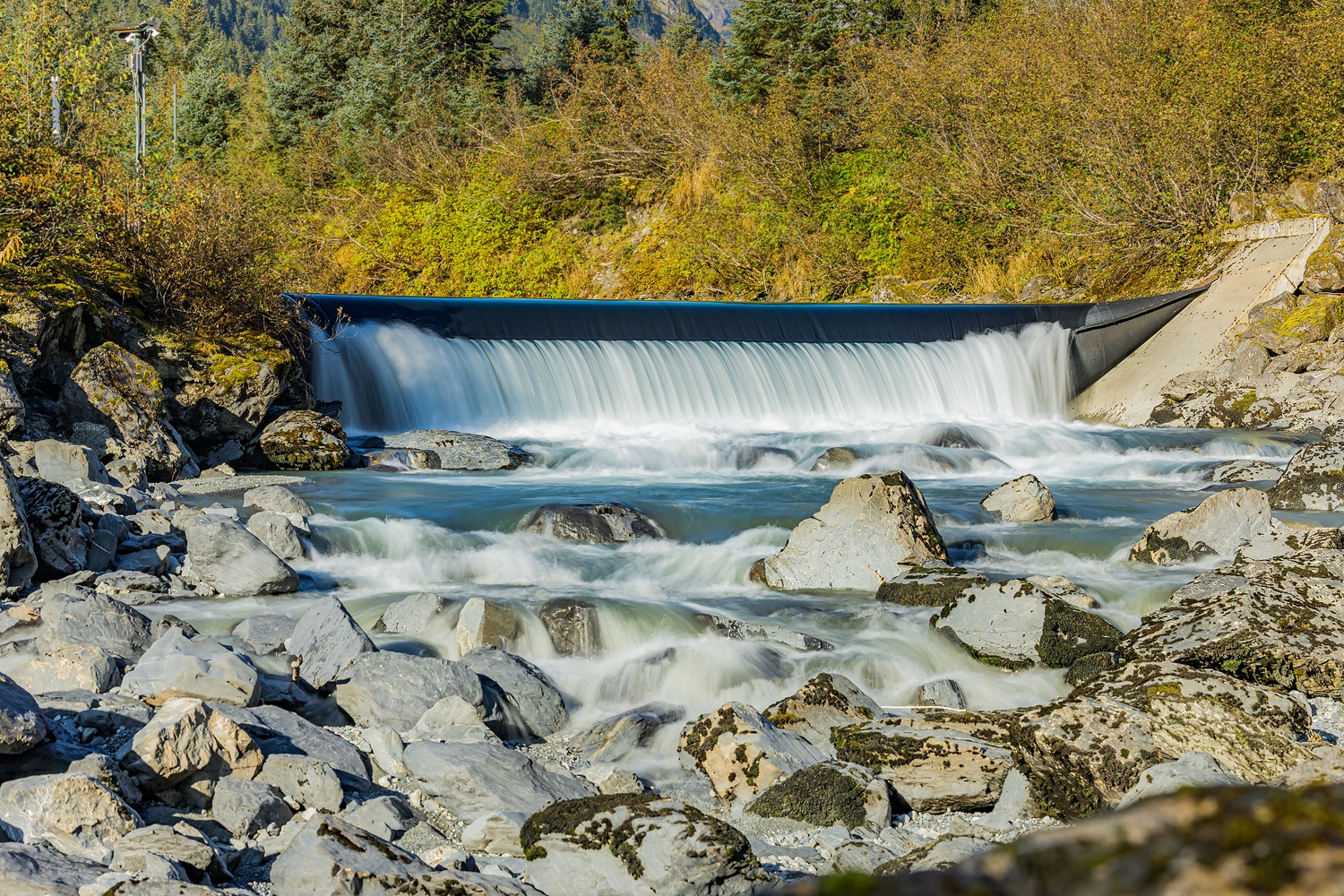
For the last three months, CEC has been producing Cordova’s electricity with 100% hydropower. There is a significant amount of water that passes over our hydro projects that essentially goes unused. When the rain really pours, like it has been, many people joke about how it is good for our hydro. This is partially true, but the reality is that much of the rain is going over our projects unused. For two decades we have been trying to find ways to maximize our hydro resource and grow our sales, to the benefit of everyone by spreading our sales out and decreasing the pressure for future rate increases.
Two winters ago, we established a “winter incentive rate” which offered a highly discounted rate for users that met a particular kWh threshold. We permanently incorporated this into our residential rates. We encourage beneficial electrification efforts such as electric vehicles and heat pumps and have programs to incentivize the adoption of heat pumps. We work closely with existing customers who are looking to grow their electric load, and we are highly responsive to potential customers trying to determine if development in Cordova is a good investment. We are even considering purchasing or financing electric boilers to use at community facilities.
One potential opportunity for growth that has gotten publicity lately is a small-scale data center which would be a year-round, continuous load. CEC has been pursuing this opportunity for years and is getting closer to making it a reality. The current agreement would have a very small (500 kwh) data center inside one of the storage bays at our warehouse on LeFevre Avenue.
We have worked with the data company to address concerns that the hyperscale centers, hundreds of times the size of Cordova’s, are creating in other regions. Noise levels will be nominal, much less than past noise on the property, and the closed-loop cooling system will not need water. In fact, a small-scale data center places few demands on the community; available energy and fiber bandwidth to export data services. This creates new property and sales tax revenues for the City. What the data center won’t need from Cordova is grid improvements, highway access, housing, or water or sanitary services. This brings new revenues and a new industry to Cordova to diversity our economy without imposing expensive infrastructure demands or environmental impacts on the community.
This summer is example of how low seafood catch and processing results in lower power sales, forcing CEC to consider rate increases to generate enough revenue to meet our local energy needs. A data industry would provide the additional revenues necessary to fill in the gap and take pressure off our residential, commercial, and seafood processing rates. CEC members are always welcome to bring any questions or concerns to CEC staff or attend our regular monthly meetings and annual meeting in March.